Hotels use a lot of water, energy and food, and they produce a lot of waste. The good news is that most of the biggest improvements are practical, measurable and often save money. Here are ten steps hotels can take, from the rooms to the kitchens, starting with the one that is easiest to measure: food waste.
1. Measure your food waste
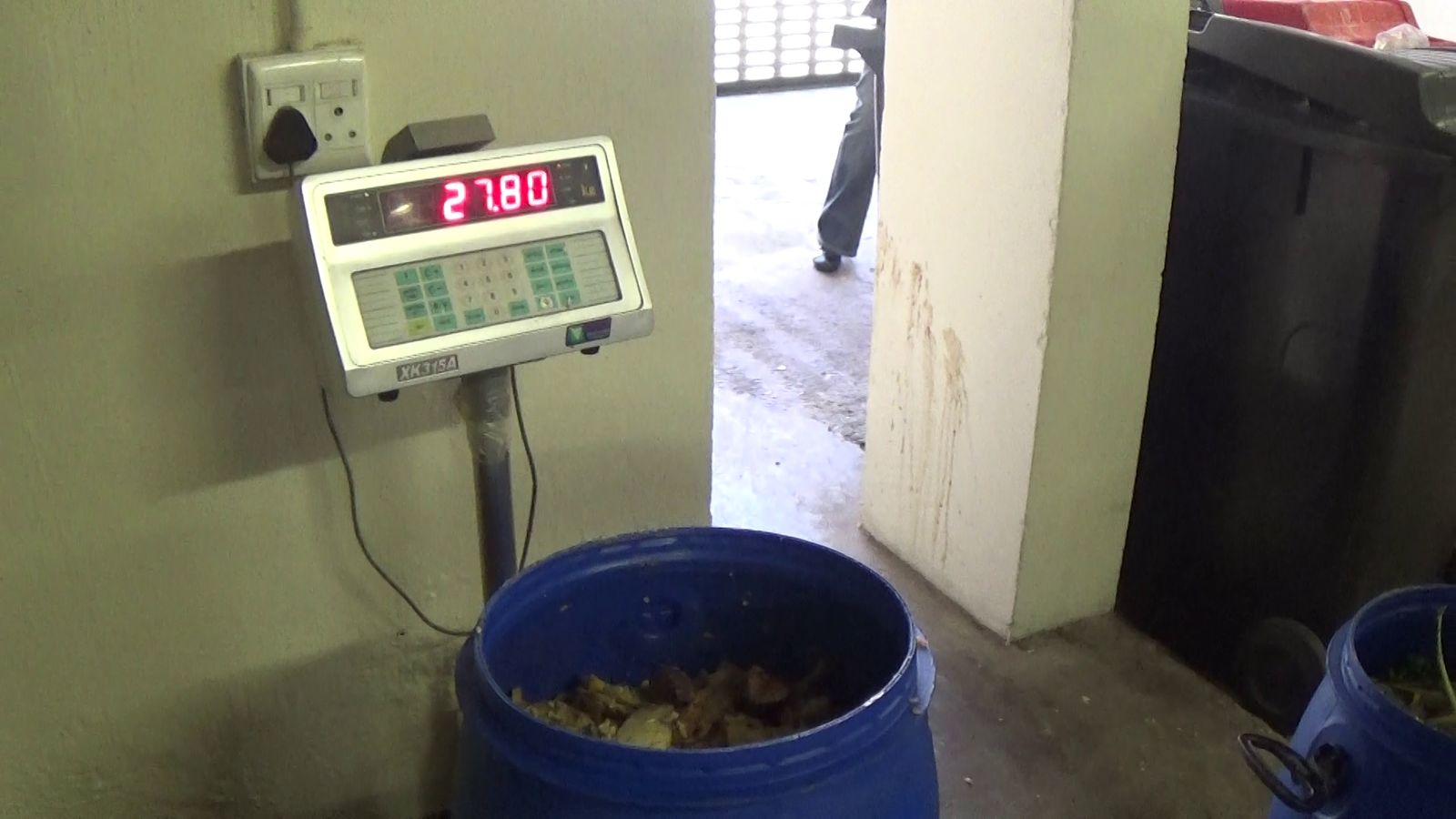
You cannot manage what you do not measure. Weighing food waste shows you where it comes from (preparation, buffets, plate scrapings), how it changes month to month and whether your efforts are working. Every Bokashi Bran® drum we collect is weighed, and clients receive monthly reports and an annual Certificate of Environmental Stewardship showing the tonnes diverted from landfill and the carbon saved.
2. Separate food waste at source
Food waste that is mixed with general waste ends up in landfill. Separating it in the kitchen, at the point it is created, keeps it clean and ready for composting. A simple, consistent system that staff can follow on a busy shift is what makes separation work. See how the Bokashi Bran® system works in a commercial kitchen.
3. Keep food waste out of landfill
The food waste we handle is not edible surplus food that could feed people. It is plate scrapings, peelings, trimmings and bones: waste that is not fit for people or animals and would otherwise go to landfill. In landfill it rots without air and produces methane. Treating it with Bokashi Bran® makes it safe to handle and compost, so its nutrients go back into the soil instead.
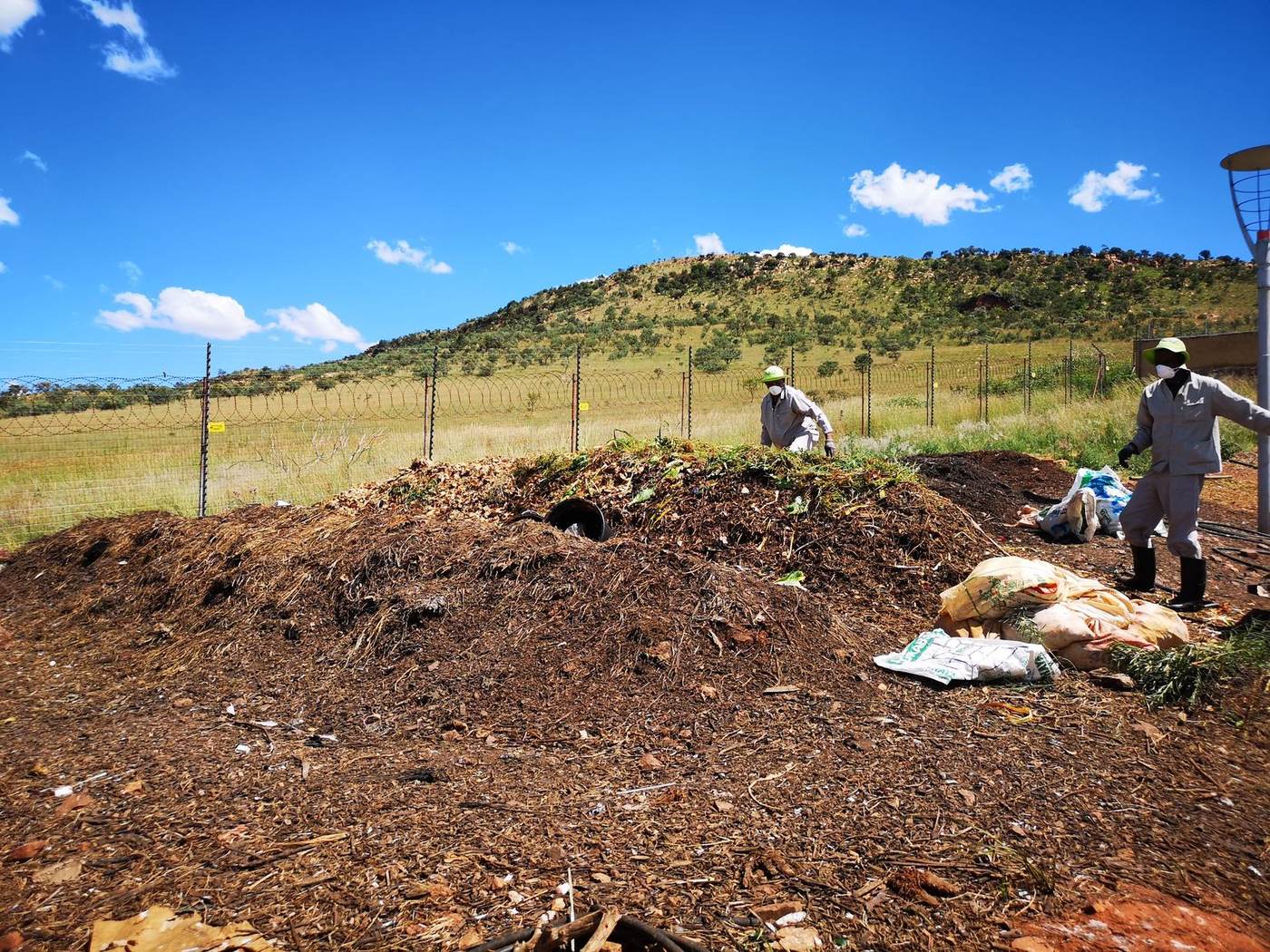
Based on DEFRA 2026 conversion factors, composting food waste instead of sending it to landfill cuts its greenhouse gas emissions by 98.7%.
4. Reduce food waste before it happens
Once you are measuring, you can act on what the numbers show: adjusting production quantities, buffet sizes and portion sizes, and planning menus to use whole ingredients. Some of our clients have seen their volumes drop as their teams came to understand their waste and reduced it. Read how Japa Express Sushi Bar reduced its food waste.
5. Save water
Water is a precious resource in South Africa, and hotels can use a great deal of it. Low-flow taps and showerheads, dual-flush toilets, prompt leak repairs and efficient laundry equipment all help to reduce consumption.
6. Save energy
Energy-efficient lighting, well-maintained kitchen and laundry equipment, and switching off what is not in use all reduce electricity costs. Where it is viable, solar power and other renewable sources reduce both costs and dependence on the grid.
7. Buy local and choose sustainable suppliers
Your environmental impact includes your suppliers. Buying locally, choosing suppliers with responsible practices and reducing unnecessary packaging all count towards your footprint.
8. Cut single-use items and recycle dry waste
Single-use bathroom amenities and individually wrapped items add up quickly. Refillable dispensers and bulk buying reduce this waste. What cannot be avoided should be separated for recycling, and keeping food waste out of recycling bins keeps those materials clean enough to recycle.
9. Involve your staff and guests
Green programmes work when people take part. Train kitchen and housekeeping staff on why separation matters, not only how to do it, and appoint champions to keep standards up. For guests, make it easy: clear recycling points, and the option to reuse towels and linen. Read why kitchen staff compliance makes or breaks a food waste programme.
10. Report your results
Measured, verified results are valuable for sustainability and ESG reporting, for guests and for head office. Bokashi Bran® reports can be provided per property and combined for a hotel group. See how City Lodge Hotel Group reports food waste diversion across its hotels, or read how to include food waste diversion in your sustainability report.
Why this matters now
Organic waste landfill bans are coming, starting with the Western Cape in 2027. Gauteng is drafting its own organic waste regulations, and national policy is moving in the same direction. Hotels that are already separating, measuring and diverting their food waste will be ready. Read more about food waste legislation in South Africa.
Start with your kitchen
Bokashi Bran® works with hotels across South Africa, from single properties to national groups. Read our case studies or contact us for a quote.