
Commercial kitchens produce a lot of food waste, and it is heavy, wet and expensive to throw away with general waste. Separating it and having it composted is not only better for the environment. Done well, it can also reduce what you spend on waste management. Here is where the costs come from, and what kitchens that have made the change have found.
First, what kind of food waste are we talking about?
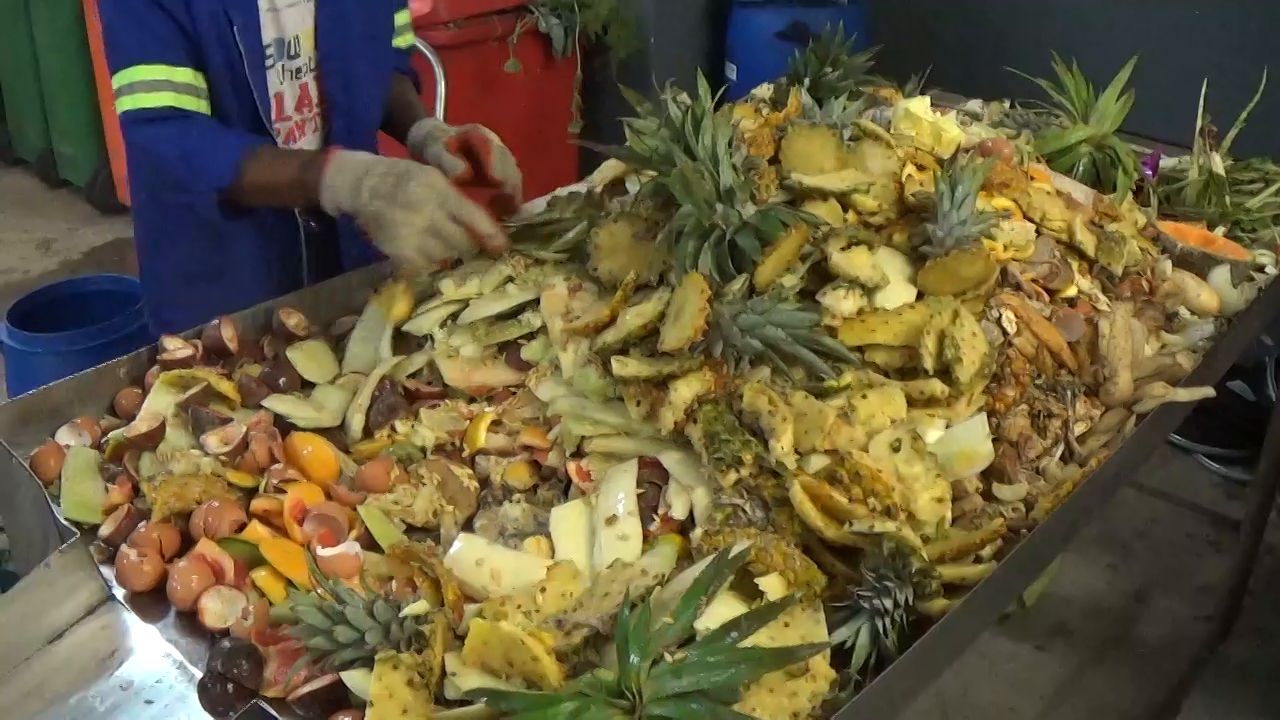
The food waste we collect is not edible surplus food that could feed people. It is plate scrapings, peelings, trimmings and bones: waste that is not fit for people or animals and would otherwise go to landfill. Treating it with Bokashi Bran® makes it safe to compost, so its nutrients go back into the soil instead of rotting in landfill.
Where the costs come from
When food waste goes out with general waste, you pay to remove it along with everything else. Because it is heavy and wet, it fills bins and skips quickly and adds weight to every load. It also contaminates dry materials such as cardboard and plastic, so less of them can be recycled.
There is a cost to doing nothing, too. Organic waste landfill bans are coming, starting with the Western Cape in 2027. Gauteng is drafting its own organic waste regulations, and national policy is moving in the same direction. Kitchens that set up separation now will not have to scramble later. Read more about food waste legislation in South Africa.
Reduce, separate, divert
Reduce. The cheapest food waste is the waste you never create. Weighing your food waste shows you where it comes from and whether changes to production, portions or buffets are working. Every Bokashi Bran® drum we collect is weighed and reported.
Separate. Keep food waste apart from general waste in the kitchen, at the point it is created. A simple drum system that staff can follow on a busy shift is what makes this work. See how the Bokashi Bran® system works.
Divert. Have the treated food waste collected and composted instead of landfilled. Based on DEFRA 2026 conversion factors, composting food waste instead of sending it to landfill cuts its greenhouse gas emissions by 98.7%.
What kitchens have found
Southern Sun Rosebank. Business Day reported that Southern Sun’s zero-waste work began at this hotel in 2017, with a 21% saving in waste management costs. Read the Southern Sun Rosebank case study.
City Lodge Hotel Group. Before the Covid-19 shutdown, the group trialled composting Bokashi-treated food waste on site at a Town Lodge hotel. The trial worked very well, but having the food waste collected proved easier and cheaper on labour than composting at each hotel. Read the City Lodge Hotel Group case study.
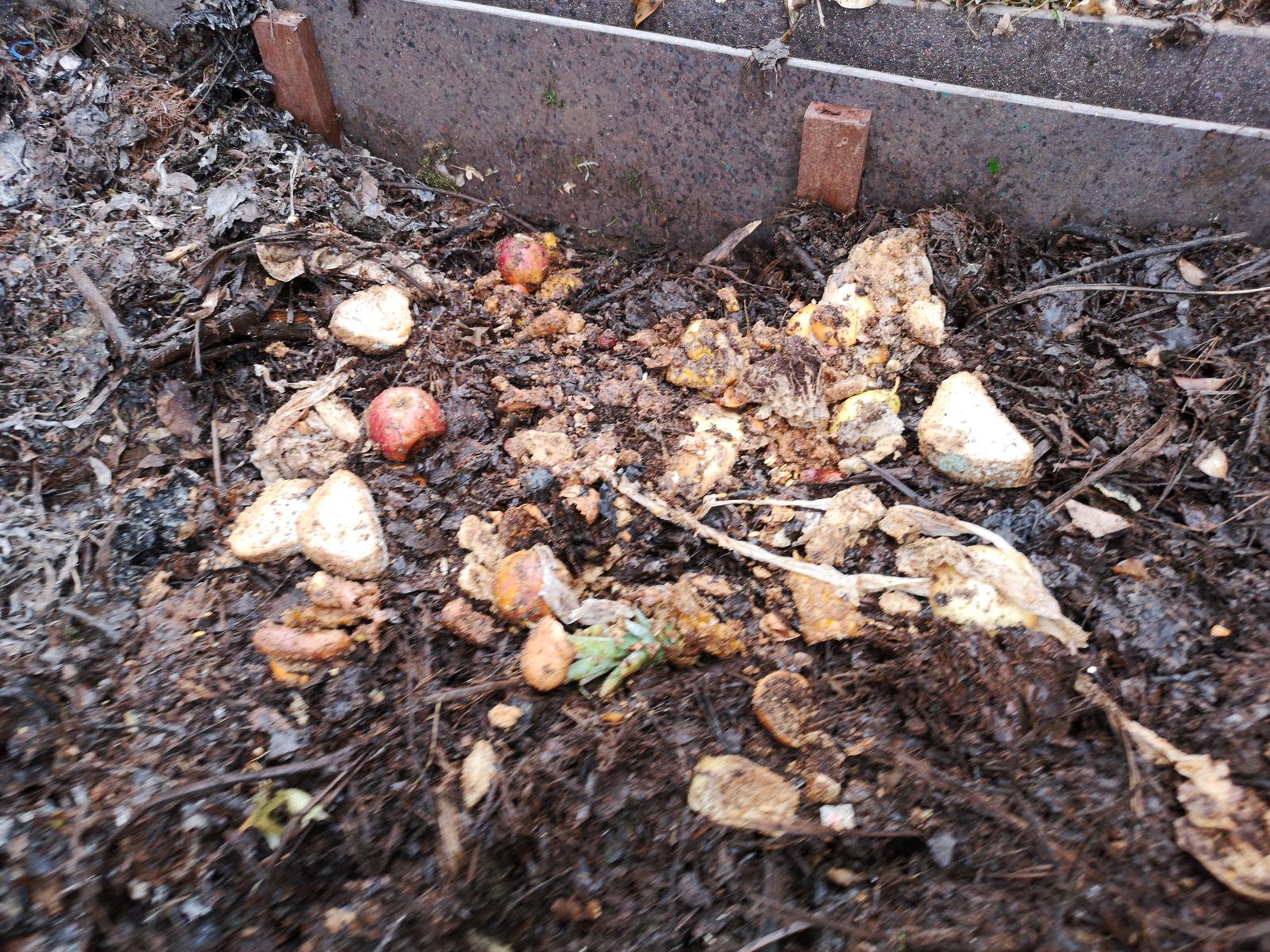
Artisan Training Institute. ATI composted its treated food waste on site for several years, which needed a full-time gardener. In the end, our collection service cost less than keeping a full-time gardener to run the composting, and every drum is now weighed and reported. Read the ATI case study.
Find out what it would cost your kitchen
Every kitchen is different, so we quote on your volumes and location. Contact us for a quote, or read more case studies.