Most businesses see food waste as a cost: something to throw away and pay for. Handled properly, it is a resource. It can cut waste costs, strengthen compliance and sustainability reporting, and go back into South Africa’s soils instead of filling landfill sites. Yet it is one of the most overlooked opportunities in commercial kitchens, canteens and hotels.
What food waste really costs you
Food waste is heavy and wet, so it adds weight and bulk to every general waste removal you pay for. It contaminates dry recyclables such as cardboard and plastic. And it represents food, water, energy and labour that have already been paid for. Measuring it is usually the first time a business sees the full picture.
This is not food that could feed people
The food waste we handle is not edible surplus food. It is plate scrapings, peelings, trimmings and bones: waste that is not fit for people or animals and is destined for landfill. In landfill it rots without air and produces methane. Treated with Bokashi Bran®, it becomes safe to compost, and its nutrients go back into the soil.
Based on DEFRA 2026 conversion factors, composting food waste instead of sending it to landfill cuts its greenhouse gas emissions by 98.7%.
Why it matters now
Regulation is tightening. Organic waste landfill bans are coming, starting with the Western Cape in 2027. Gauteng is drafting its own organic waste regulations, and national policy is moving in the same direction. Read more about food waste legislation in South Africa.
Sustainability reporting needs real numbers. Investors, head offices and customers increasingly want evidence of climate action, not statements. Weighed, verified food waste diversion and the carbon it saves are numbers you can report. Read how to include food waste diversion in your sustainability report.
Soil needs organic matter. Composted food waste returns nutrients and organic matter to the soil, supporting healthier land and food production.
Where to start
- Measure it. How much food waste comes out of your kitchen, canteen or restaurant, and from where?
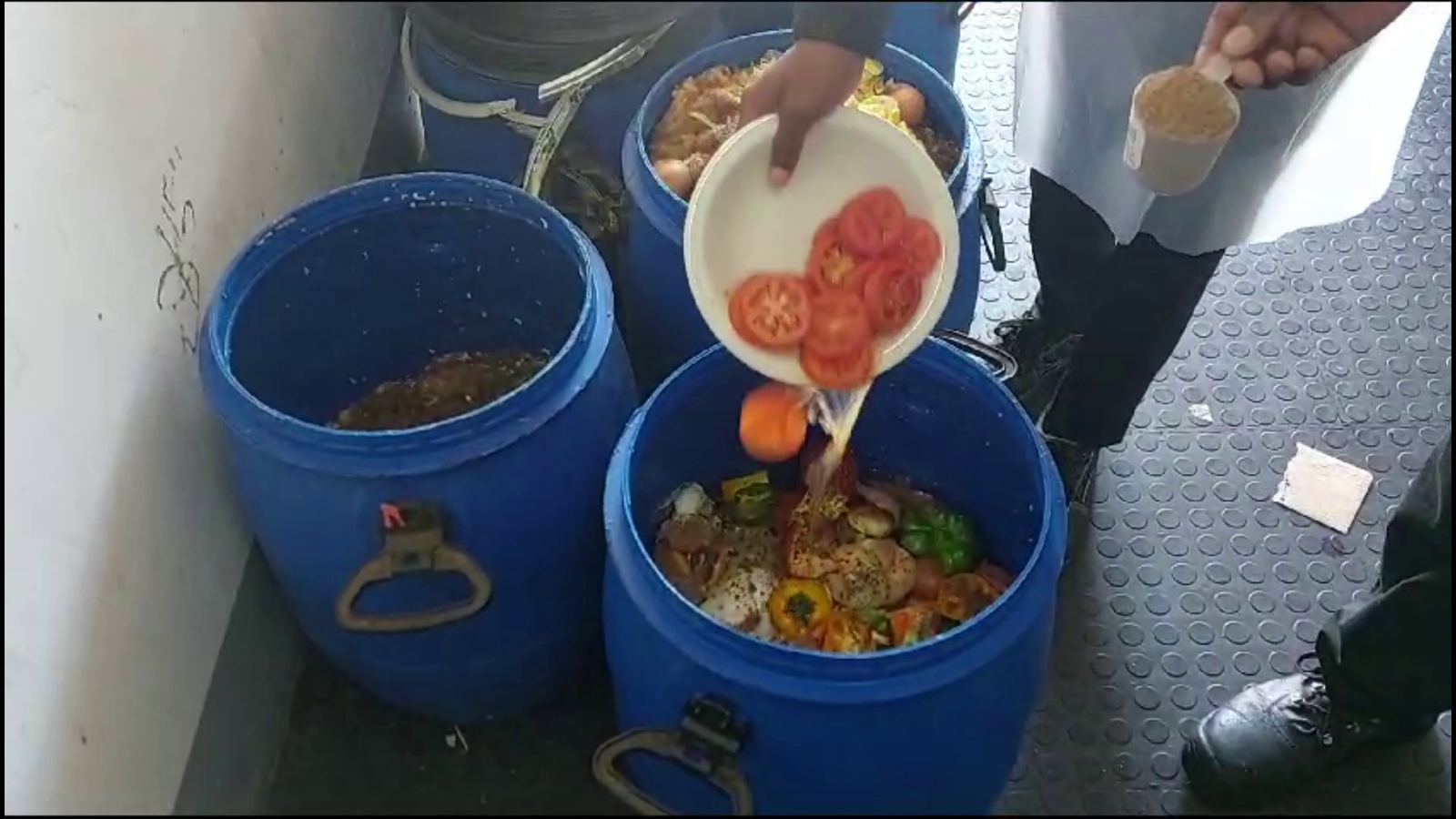
- Separate it. Keep food waste apart from other waste, at the point it is created. See how the Bokashi Bran® system works.
- Treat and divert it. Treat it with Bokashi Bran® and have it collected for composting, or compost it on site if you have the space and staff, as Silverstar Casino and Mount Grace Hotel & Spa do.
- Report it. Use your monthly reports and annual Certificate of Environmental Stewardship in your sustainability and ESG reporting.
- Reduce it. Use the numbers to cut waste at the source. Read how Japa Express Sushi Bar reduced its food waste.
Turn your scraps into strategy
Businesses that act now will be ready for regulation, have real numbers to report and, in many cases, spend less on waste. Read our case studies or contact us for a quote. We quote on your volumes and location.