More commercial kitchens are committing to responsible food waste management, and finding that it can also lower their waste costs. Getting started is simpler than it looks. Here is how a responsible food waste system works in practice.
What we mean by food waste
The food waste we handle is not edible surplus food that could feed people. It is plate scrapings, peelings, trimmings and bones: waste that is not fit for people or animals and would otherwise go to landfill. Treating it with Bokashi Bran® makes it safe to compost, so its nutrients go back into the soil.
1. Separate at source
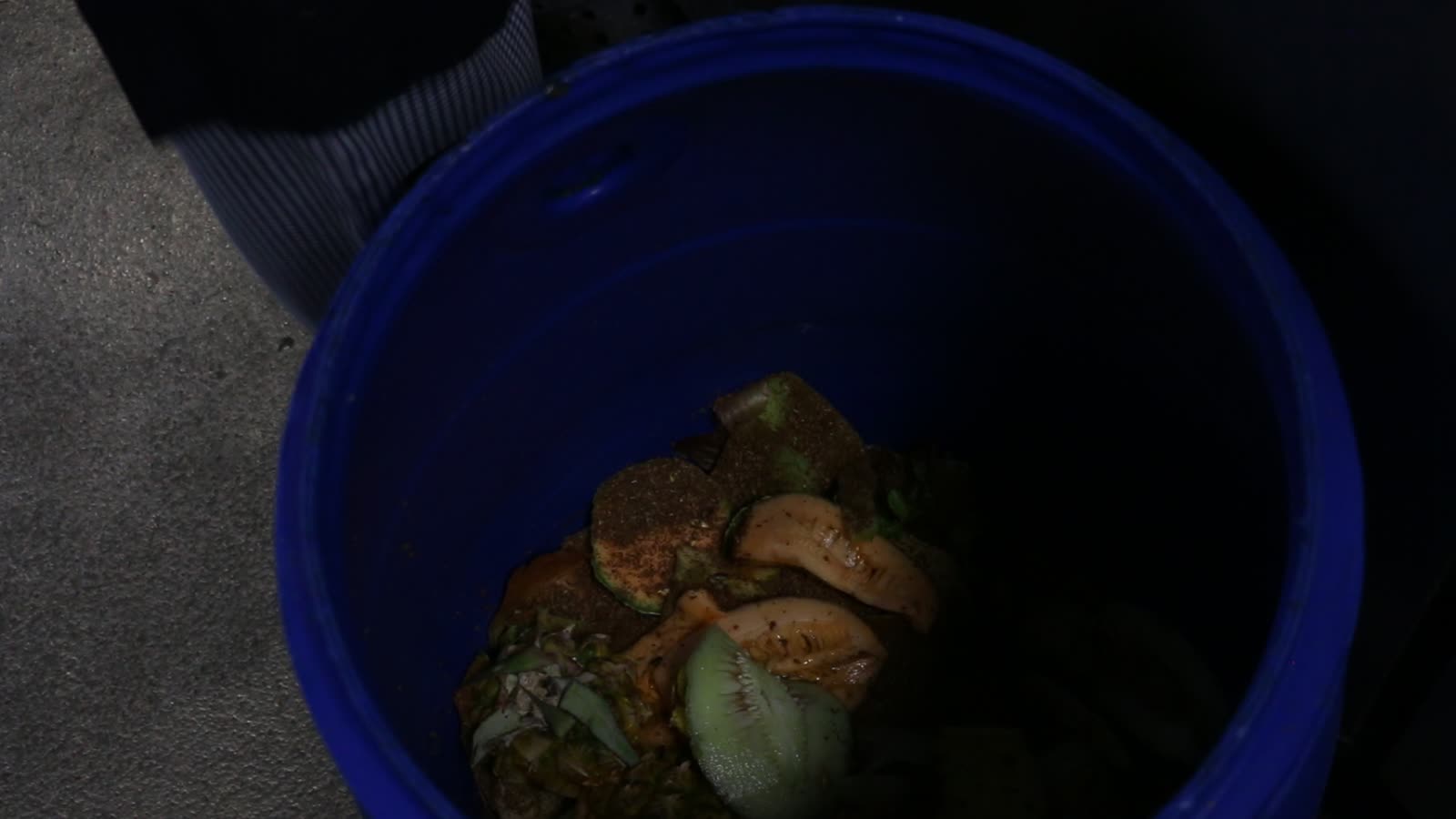
The key to success is commitment from the whole team. Food waste is separated where it is created, into labelled food waste drums, while dry waste goes into general waste bins. Every layer of food waste in the drum is treated with Bokashi Bran®, and drums stay sealed between uses, which helps control odours and pests.
2. Train the team, and keep training
We train kitchen staff and waitrons on what goes in the food waste drums and what stays out. Because kitchens have high staff turnover, our SCHWAS Team form names the person responsible for each part of the system, and digital training videos help new staff get started quickly. Read why kitchen staff compliance makes or breaks a food waste programme.
3. Collect, weigh and compost
We collect the drums with our own fleet in Gauteng and through our collection agent network elsewhere in South Africa. Every drum is weighed, the food waste goes for commercial composting, and you receive monthly reports and an annual certificate. Based on DEFRA 2026 conversion factors, composting food waste instead of landfilling it cuts its greenhouse gas emissions by 98.7%.
Options for very high volume sites
For sites that produce very large volumes of food waste, a macerator can grind and dewater the food waste before it is treated, which reduces its weight and the number of drums to handle. At Silverstar Casino, we measured a 76% reduction in weight after maceration. Read the Silverstar Casino case study.
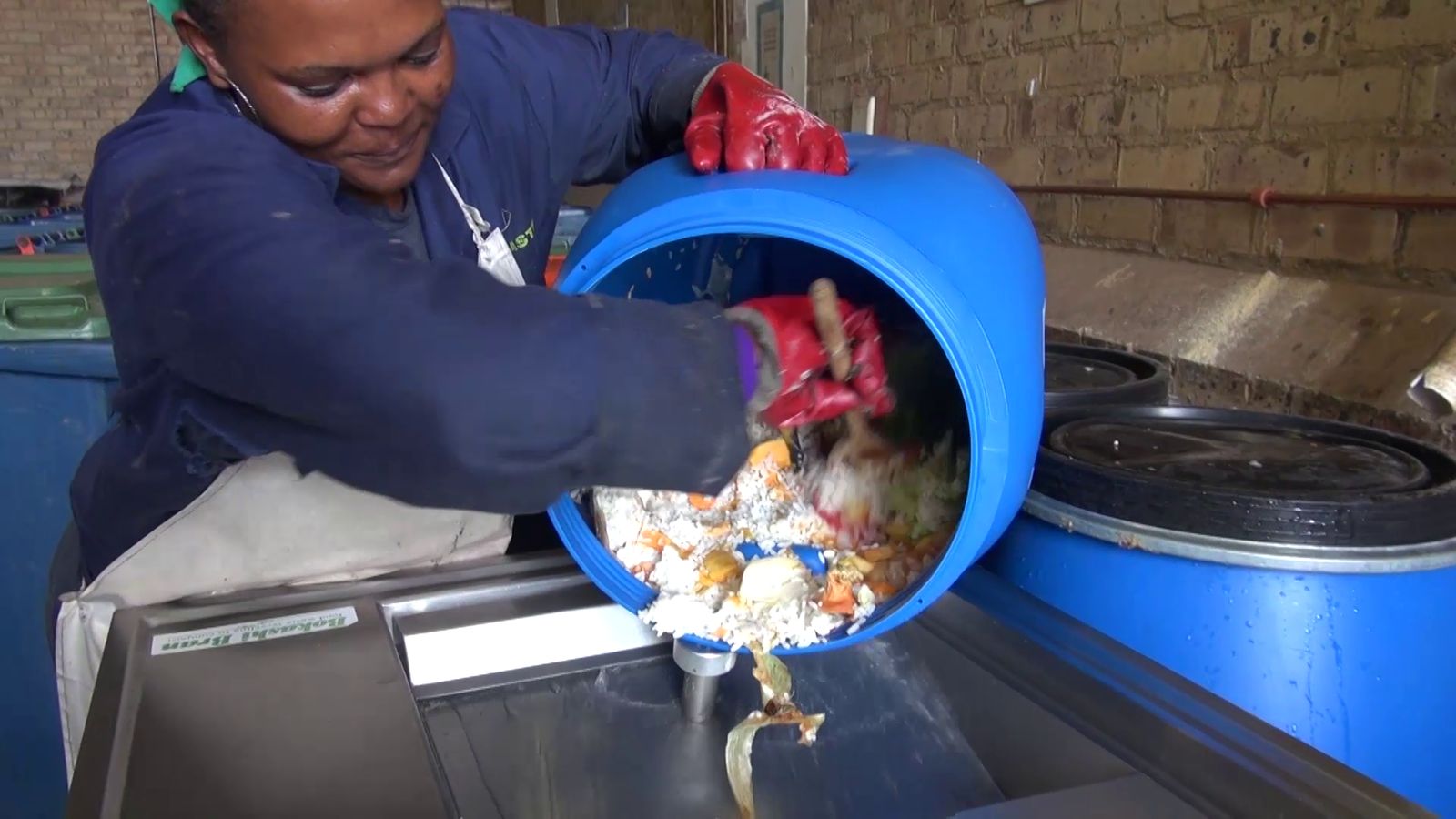
Some sites with space and staff also compost their Bokashi-treated food waste on site, as Silverstar Casino and Mount Grace Hotel & Spa do.
Get ahead of the rules
Organic waste landfill bans are coming, starting with the Western Cape in 2027. Gauteng is drafting its own organic waste regulations, and national policy is moving in the same direction. Read our case studies or contact us for a quote. We quote on your volumes and location.